
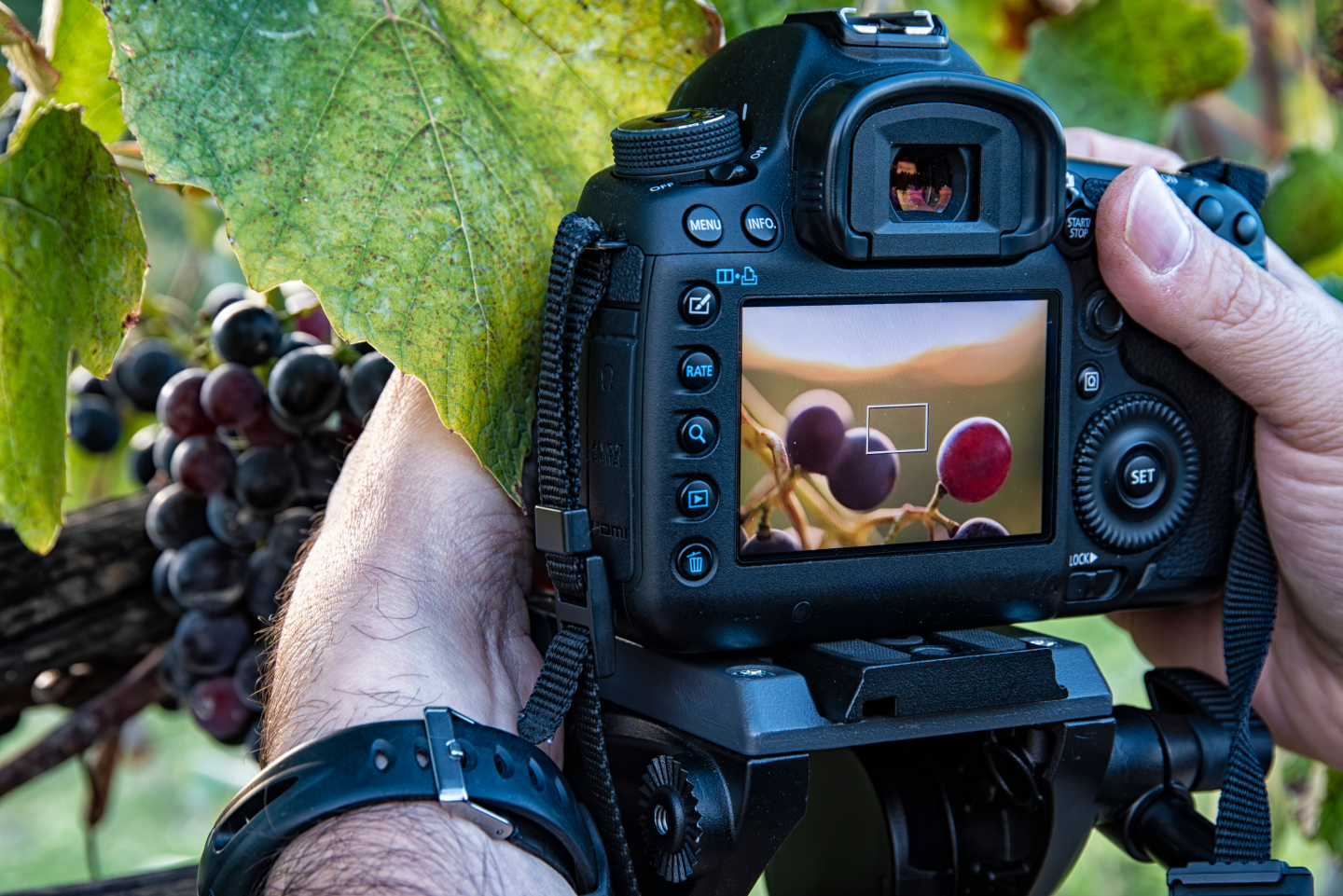
Choosing your photography niche shouldn’t be guesswork — it should be about finding the sweet spot where your creativity and market demand meet.
9 Types of Photography Businesses (And How To Choose Yours)
| Your Preference | Type of Photography | Services You Offer |
|---|---|---|
|
Working with products and people |
Portrait, commercial, or product photography |
Headshots, brand sessions, social media content creation, and product photos |
|
Big, emotional moments |
Wedding or special event photographer |
Wedding coverage, engagement sessions, family portraits, milestone celebrations, and candid-style storytelling |
|
Quiet, creative setups |
Studio, fine art, or still-life photographer |
Fine art prints, editorial shoots, stock imagery, creative concept work |
|
Work on weekends |
Event photographer |
Weddings, parties, festivals, live performances, or family portraits |
Still unsure about your career path? No worries! This guide covers the essential types of photography services, provides examples of photography services, and helps pinpoint your niche based on your passions and goals.
Insurance Reality Check:
Many clients and venues require proof of liability insurance before hiring photographers. Full Frame Insurance (FFI) offers affordable, same-day photography liability coverage so you can capture moments with confidence.
1. Portrait Photography
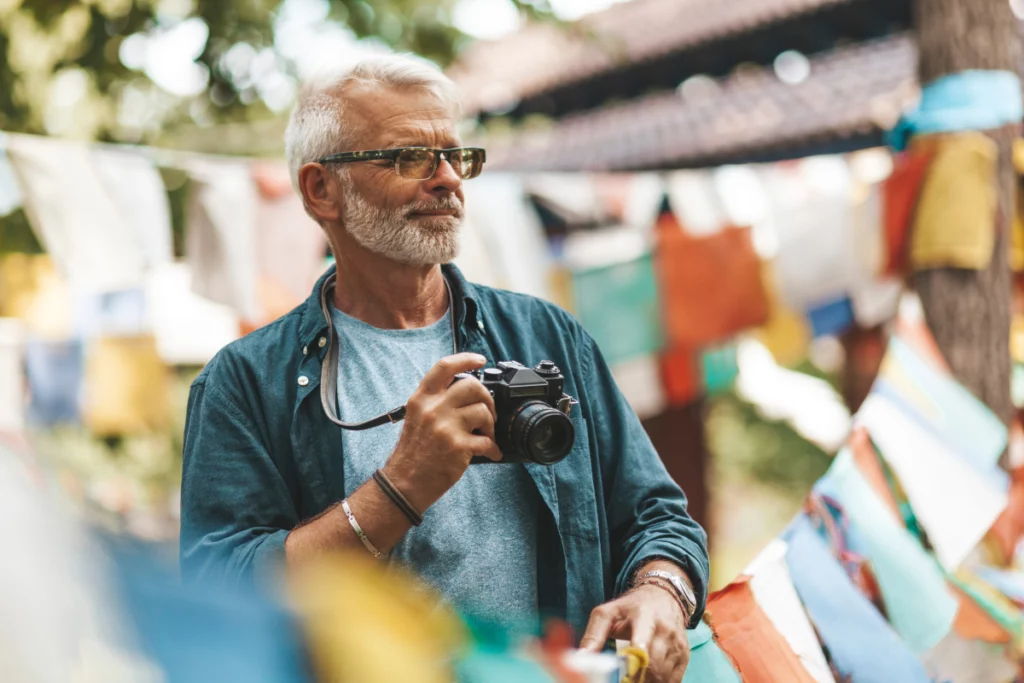
If you love human connections and working in a studio or controlled space, portrait photography may be your ideal career path. As a portrait photographer, you have the opportunity to work with clients at all of their milestones, from a baby’s first pictures to senior photos to professional headshots.
Referrals are the lifeblood of portrait photography. Satisfied customers will display their photos at home, share them online, and tell their loved ones about you when they’re looking for a good photographer. A handful of solid sessions can quickly fill a booked calendar.
Unique Benefits of Becoming a Portrait Photographer:
- Fast feedback loop and visible impact. You see a person’s reaction in real time. When you nail it, you know immediately. Wildlife doesn’t high-five you after you get the shot.
- Personal brand + style matters more. Portrait buyers often choose you (your vibe, your direction style, your editing look) as much as the images. That makes it easier to differentiate on identity, not just subject matter.
- Ethical storytelling and representation can become your lane. Portraiture has a unique opportunity to serve communities well (inclusive posing, skin-tone-accurate lighting, identity-affirming work). It’s meaningful differentiation, not just aesthetic.
Real-World Photographers
- Emily Newton separates her business portrait packages and makes a comprehensive list of what’s included in each service. She also includes customer testimonials.
- Anastasiia Sapon lists her portfolio on the first page of her website. She plays with various color schemes and captures subjects in simple and unique poses.
Emily Newton
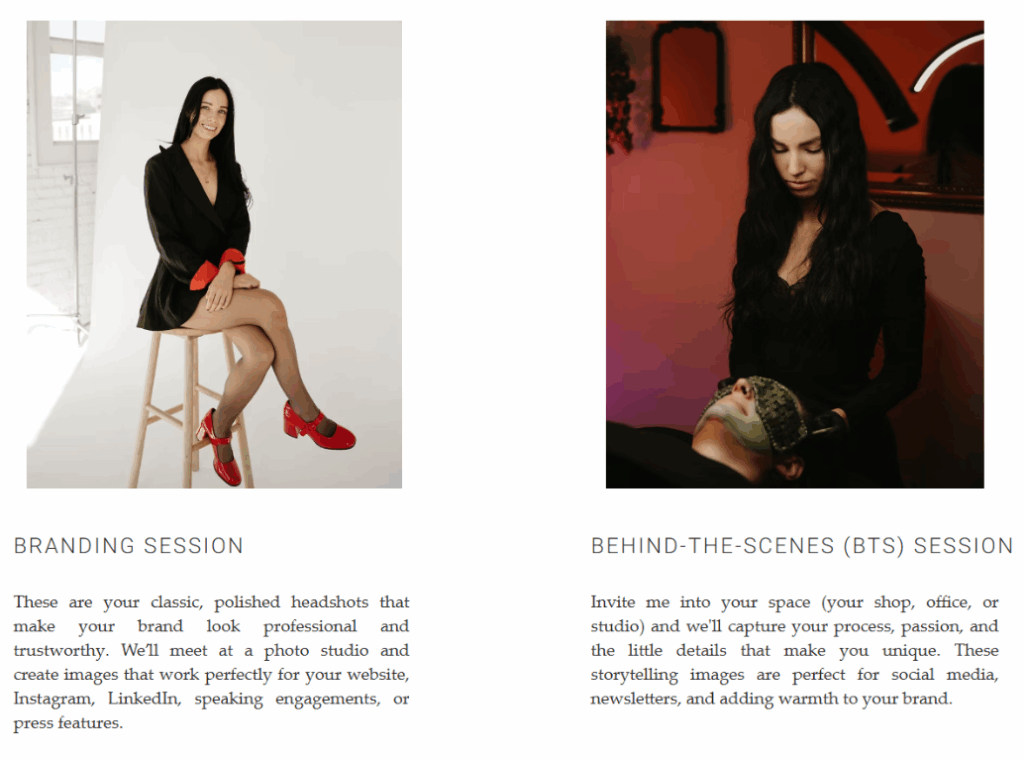
Emily Newton separates her business portrait packages and makes a comprehensive list of what’s included in each service. She also includes customer testimonials.
Anastasiia Sapon
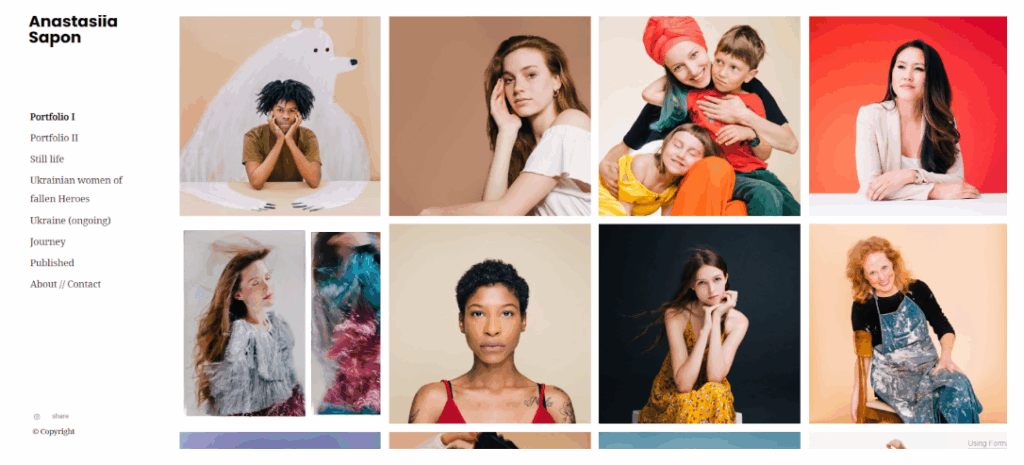
Anastasiia Sapon lists her portfolio on the first page of her website. She plays with various color schemes and captures subjects in simple and unique poses.
Did you know? If you enjoy remote work, consider starting a photography studio in your basement or living room. Check out our quick in-home photo studio guide for setup and marketing tips.
2. Wedding Photography
If you love L-O-V-E, consider wedding photography.
While weddings are typically the best-paying photographer gigs, they often come with high demands because you’re there to capture once-in-a-lifetime moments. If you thrive in fast-paced environments, work well under pressure, and have excellent organizational and communication skills, this type of photography may be your style.
Get started by creating a portfolio. Stage mock bridal shoots or photograph real ceremonies for family or friends. Even just one couple sharing their wedding photos can lead to word-of-mouth referrals among their guests and community.
Unique Benefits of Becoming a Wedding Photographer:
- Huge emotional payoff. The reactions are immediate and big: happy tears, hugs, grandparents, speeches, first looks. Other genres can be meaningful, but weddings reliably hit that emotional volume.
- Referral ecosystems are powerful. Weddings come with built-in networks: venues, planners, florists, DJs, caterers, bridal shops. If you’re solid and easy to work with, other vendors basically become your sales team.
- You develop elite on-the-fly problem-solving. Timeline shifts, weird lighting, weather, family dynamics, missing boutonnieres, the officiant who bans flash and joy. You get good at adapting fast, which makes you sharper everywhere else.
Real-World Photographers
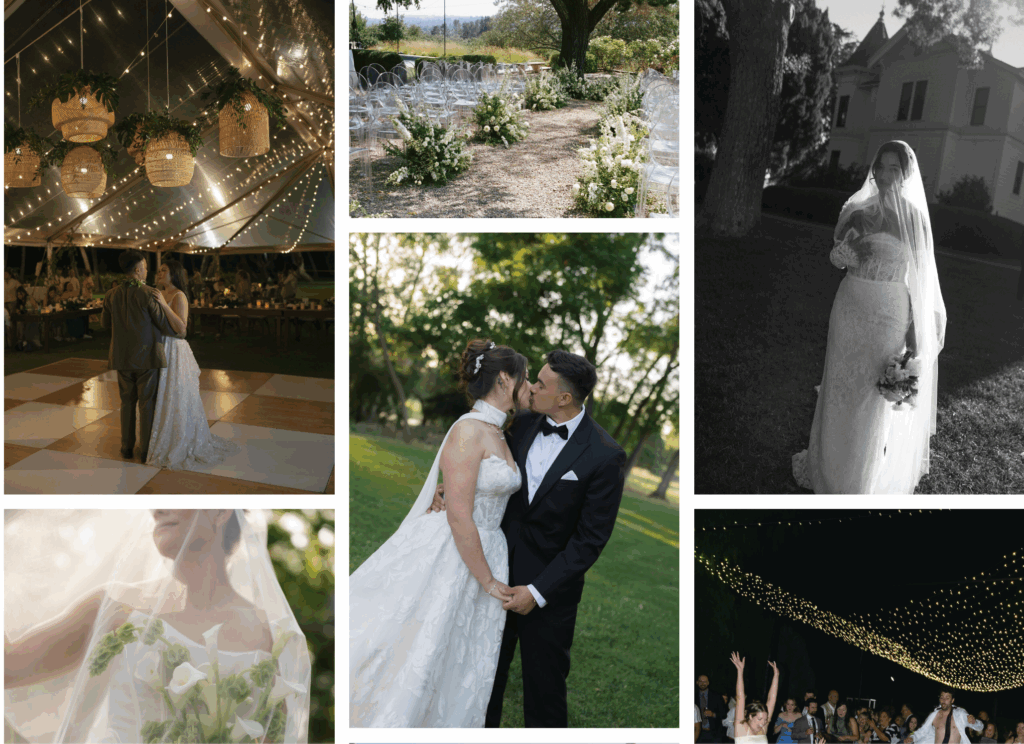
A California-based wedding photographer, offers both digital and film photo packages for nostalgic vibes.
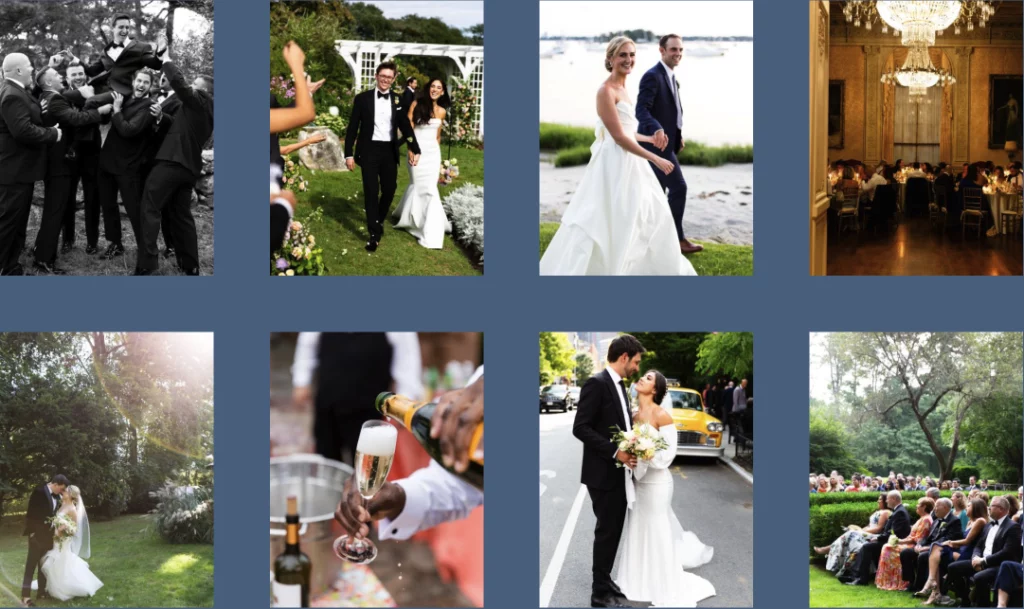
A Connecticut-based wedding photographer, captures traditional and unique wedding moments. In addition to full-day weddings, Lundstrom also offers intimate wedding sessions, album pages, and timeline and planning assistance.
Zoom in: Learn more about wedding photography
3. Event Photography
Do you enjoy trying new things or having a bit of variety in your work? Are you good at thinking on your feet or anticipating client needs? If so, event photography may be your thing.
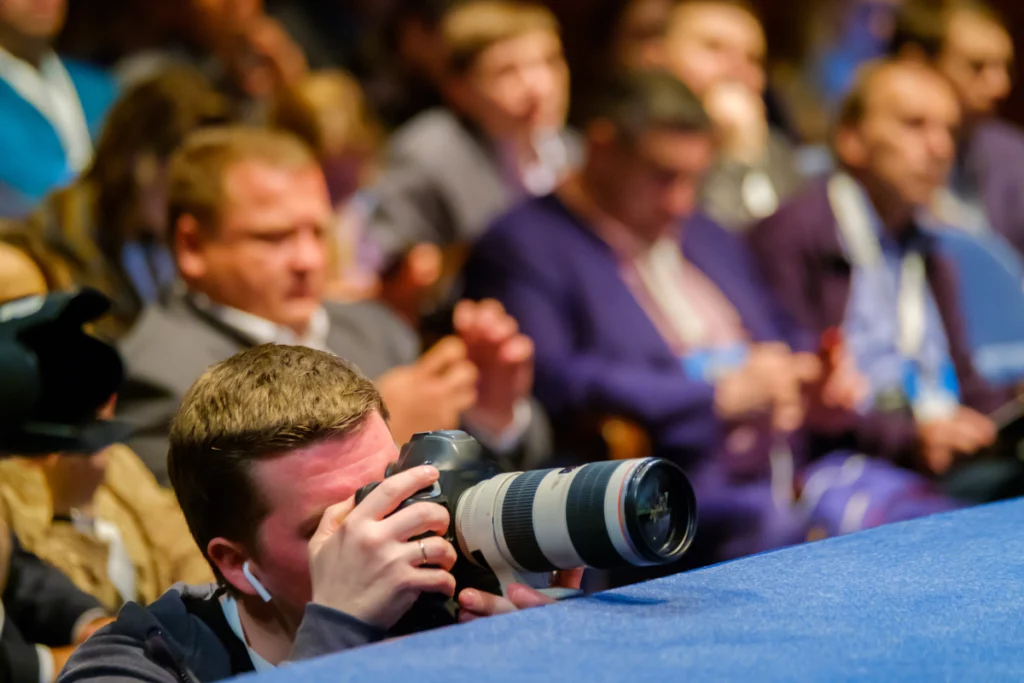
Event photographers capture key moments at nearly any kind of gathering. You could go from a corporate party, to a trade show, to a wedding, all in one weekend. Speed, accuracy, and versatility are all essential traits for a successful event photographer.
Unique Benefits of Becoming an Event Photographer:
- You become a behind-the-scenes asset, not the main character. If you like working efficiently without being the center of attention, events reward “invisible professionalism” and calm competence.
- Fewer “creative debates,” more objectives. Many event clients care less about your moody signature style and more about coverage: speakers, sponsors, crowd energy, key moments. If you like clarity, events can be refreshingly straightforward.
Flexible scope: one shooter or a whole team. Conferences and large activations scale naturally into multi-photographer coverage, video add-ons, roaming social content, and partnerships, letting you grow beyond “just you.”
Real-World Photographers
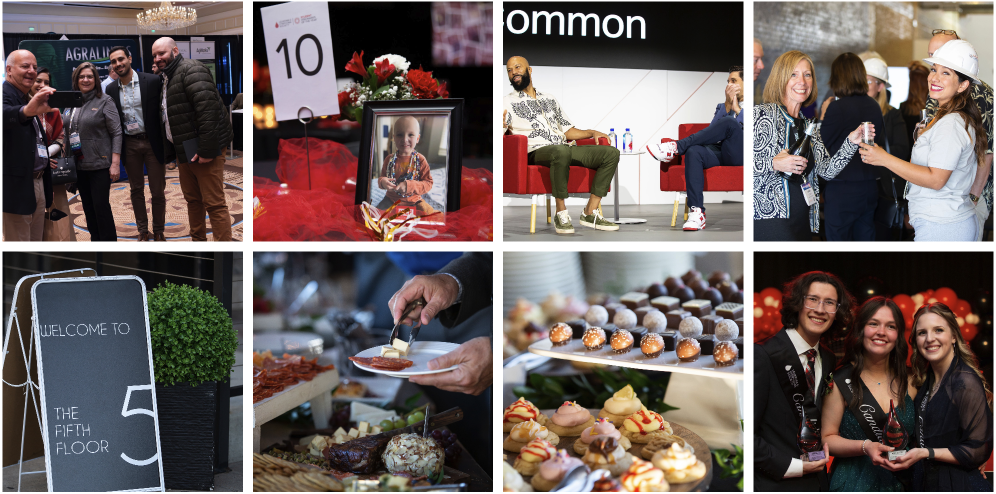
A Utah-based photographer, captures numerous events, including fundraisers, company parties, award nights, and trade shows.
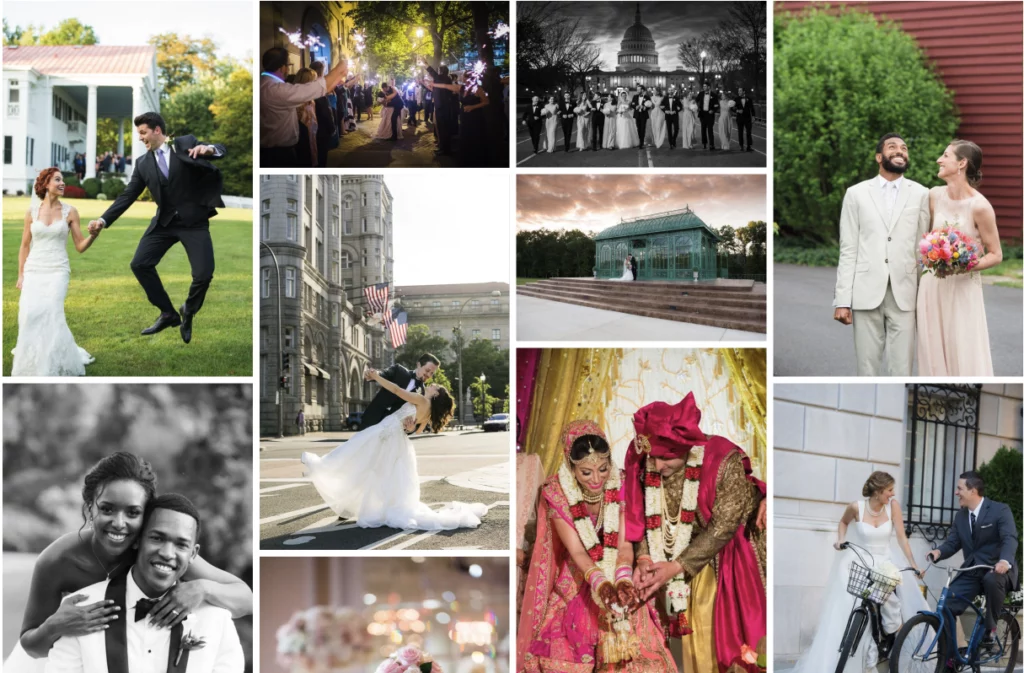
His photography team in Washington, D.C., and Virginia capture events like Mitzvahs, weddings, grand openings, and galas.
Pro tip: Always obtain permission from clients before sharing images of them publicly or for promotional purposes. You may need to include language addressing this in your contract, or have clients complete photo release forms.
4. Product Photography
Love photography but not big groups or directing people? Don’t worry! Human subjects aren’t your only option. If you prefer more controlled studio work and have strong technical skills with an eye for detail, then product photography may be more your speed.
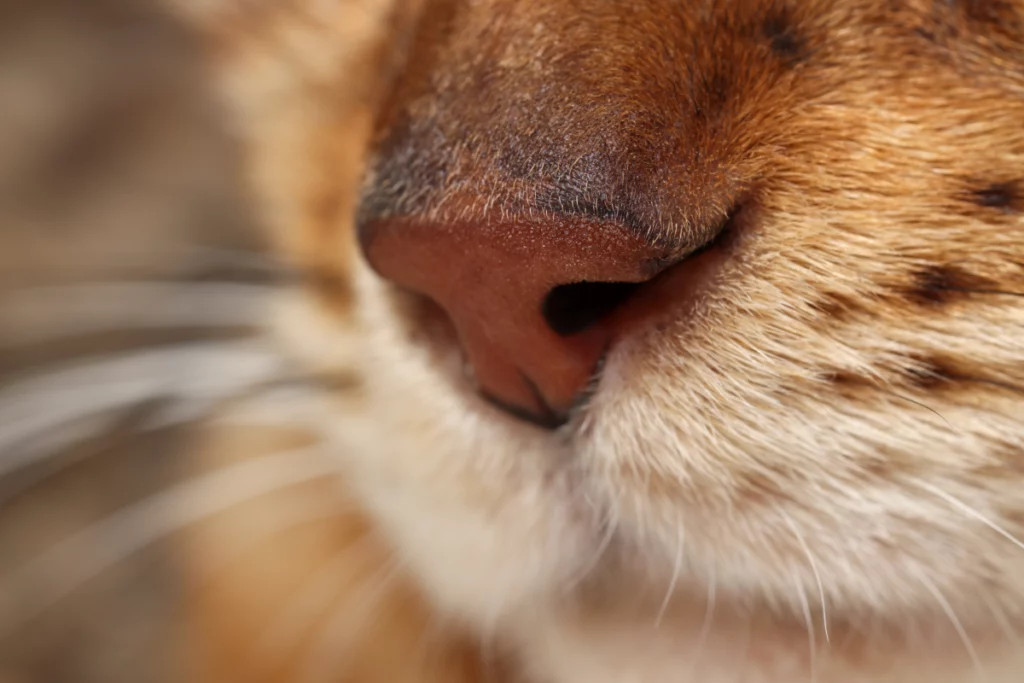
The ultimate goal of product photography is to sell, so successful photographers strike a balance between creativity, practicality, and utility. Product photographers may also specialize in macro photography (extreme close-ups) to capture the fine details of items like jewelry and food.
Unique Benefits of Becoming a Product Photographer:
- Control is the whole game. Unlike events or weddings, you usually control lighting, background, angles, styling, and timing. If you like precision and repeatability, product work is paradise.
- Retainers and ongoing catalogs are common. Brands constantly launch new products, seasonal collections, updates, and campaigns. That “we need this every month” rhythm is more typical here than in many people-focused niches.
- Remote-friendly workflow. Clients can ship products to you, approve via proofs, and you deliver digitally. That makes it easier to work beyond your local market without travel.
Real-World Photographers
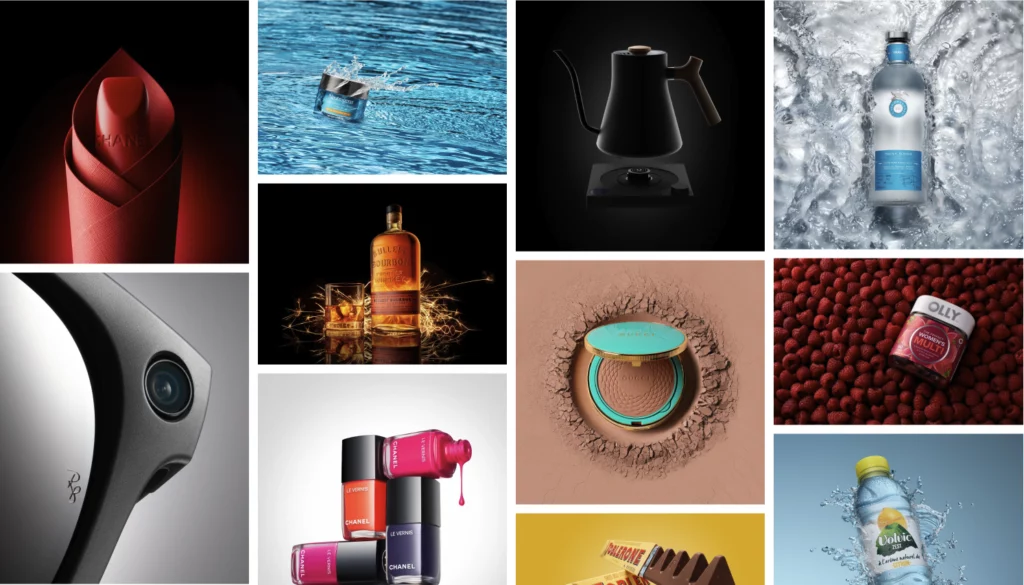
A Seattle, Washington-based photographer, lists his product snapshots right on the first page of his website.

The photography team captures food, apparel, lifestyle, and beauty products. Some services include 360 spins and action shots.
5. Real Estate Photography
Photographer and a ZillowGoneWild fan? Consider real estate photography.
Working with homeowners and realtors means real estate photographers typically need to be reliable and efficient, with strong communication skills. Good real estate photographers also excel at technical aspects like:
- Working with wide angles
- Lighting and composition
- Editing
Speed, consistency, and reliability are all musts in the real estate photography world. If you like quick turnarounds and a steady flow of nine-to-five work, this may be the field for you.
Unique Benefits of Becoming a Real Estate Photographer:
- Built-in repeat clients. A good agent can feed you work for years. The relationship is often ongoing and transactional in a good way: you deliver, they list, you get called again.
- Efficient, standardized workflow. Many shoots follow a predictable pattern (wide coverage, key features, exterior, neighborhood amenities). You can systematize gear, shot lists, editing, delivery, and scheduling.
- You develop technical mastery in lighting and perspective. Balancing window light, mixed color temps, tight spaces, and straight verticals makes you very good very fast at the “clean commercial” side of photography.
Real-World Photographers

A Utah-based photographer, lists interior and exterior photos of houses to capture every inch and make potential buyers feel right at home.

A Texas Real Estate Photographer offers services such as 3D walkthroughs, twilight photo sessions, 2D and 3D floor plans, and aerial photos.
6. Branding Photography
Brand photography helps businesses of any size curate their overall public image. It builds a collection of unique yet cohesive images for businesses to use instead of the same stock photos that everyone else uses.
Brand photographers typically provide several image services, like:
- Staff headshots and team photos
- Product photos
- “Lifestyle” or behind-the-scenes images
- Miscellaneous images for marketing materials, websites, ads, or social media
If you like collaborating with others to create a consistent “vibe” across a variety of photos, brand photography may be for you!
Unique Benefits of Becoming a Branding Photographer:
- Your work directly shapes someone’s identity in the market. It’s not just “a nice photo.” It’s positioning: premium vs approachable, edgy vs classic, expert vs friendly. That strategic layer is way more central here than in most niches.
- You’re paid for creative direction, not just shooting. Branding clients often want help choosing locations, outfits, props, color palettes, shot lists, and “what do I even post?” You become part photographer, part creative director.
- You build deep, referral-rich relationships. You’re in the small business ecosystem: web designers, brand strategists, copywriters, social media managers, PR folks, studios. One good collab can turn into a steady pipeline.
Real-World Photographers
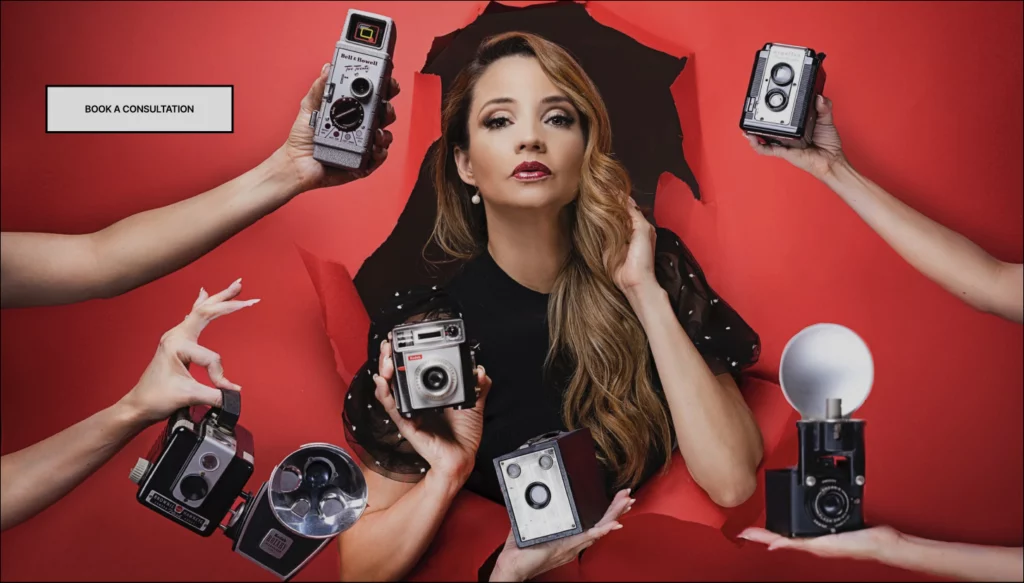
A Nevada-based photographer, offers personal and team branding photos, plus headshots and marketing photo sessions.

Nevada-based Chezaray Photography offers branding, headshot, group, and corporate event photography services.
7. Lifestyle Photography
Lifestyle photography is a combination of portrait and event photography. It focuses on capturing real-life moments with a more candid and authentic style than traditional posed portrait or editorial photography.
Lifestyle photographers are typically adaptable and patient, and have a knack for making clients feel at ease. Customers want photos that feel “real” and in the moment, so lifestyle photographers have a knack for putting people at ease and being approachable.
Unique Benefits of Becoming a Lifestyle Photographer:
- Works across both consumer and commercial worlds. The same approach fits families, seniors, and couples and brands, restaurants, hotels, and service businesses. It’s one of the most crossover-friendly niches.
- Location becomes a character. Homes, studios, cafes, workshops, neighborhoods. You get to use real environments to add meaning, not just as a backdrop.
- Strong fit for modern marketing. Brands want scroll-stopping, human, in-the-moment content for web, social, ads, and email. Lifestyle imagery is practically made for that ecosystem.
Real-World Photographers
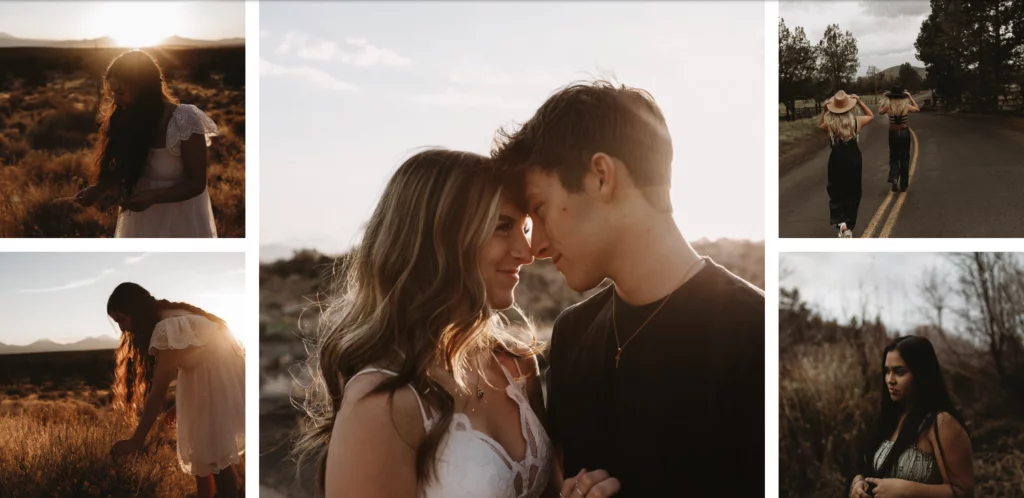
Erin Brown of Oregon-based Bend Lifestyle Photography offers unique outdoor lifestyle portraits to turn up the nature vibes.
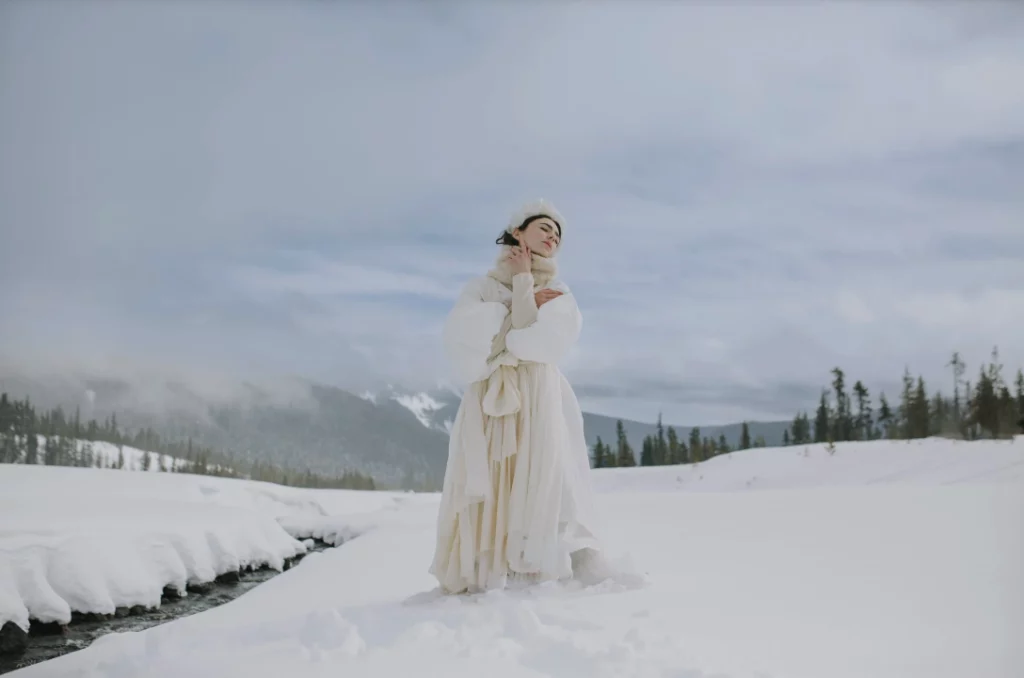
Kelli Rad offers lifestyle photos that use “small moments, soft light, and the beauty of everyday life” along with wellness, editorial, and remote photography services.
8. Editorial Photography and Photojournalism
Editorial photographers and photojournalists excel at capturing and conveying stories visually. If you enjoy storytelling or photographing current events, these styles could be for you.
Editorial photographs often accompany a body of text (but not always). Its purpose is generally to convey a concept or support a narrative, as opposed to styles designed to sell something, like product or real estate photography.
Photojournalism also aims to tell a story. The primary difference between the two is that editorial is more posed or directed, while photojournalism focuses on real and unprompted moments, issues, or events.
Unique Benefits of Becoming an Editorial Photographer:
- You get front-row access to real life. Politics, protests, sports, disasters, backstage, courtrooms (when allowed), communities, culture. You’re not photographing “a concept,” you’re photographing reality as it happens.
- Your work can have actual public impact. The best editorial work informs, holds power accountable, documents history, and shifts public understanding. That’s not every assignment, but the lane exists in a way most genres don’t.
- Credibility and bylines are career currency. Publications, outlets, wire services, and reputable assignments can open doors fast. A strong tear sheet can matter more than a glossy Instagram grid.
Real-World Photographers
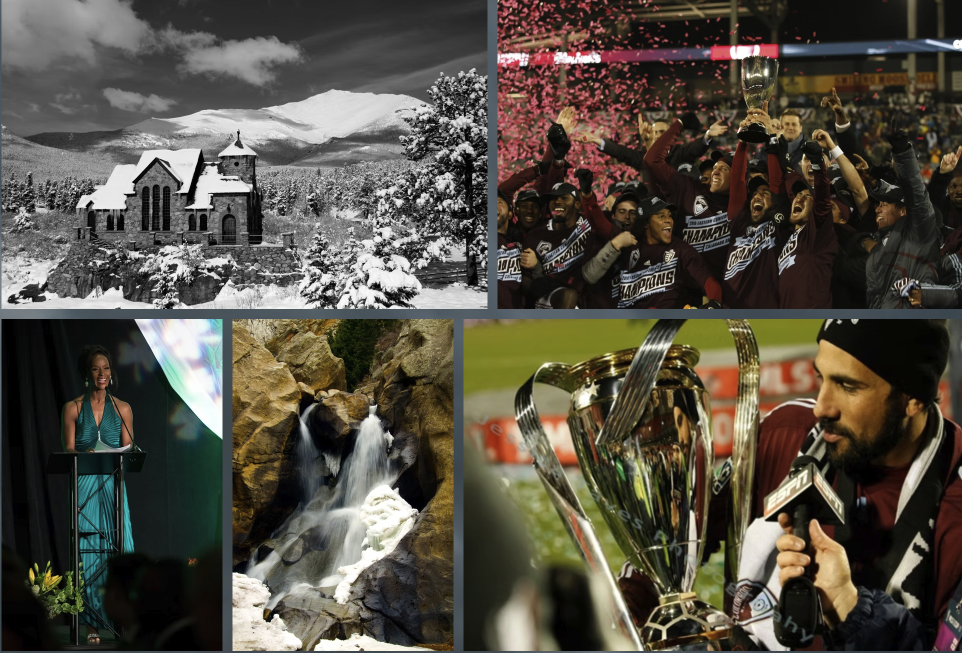
A Colorado-based photojournalist who captures political and sporting events, as well as weddings and college campus events.

A New York-based editorial photographer whose work has appeared in the New York Daily News. Chu also dabbles in real estate, drone, portrait, and travel photography.
Zoom in:
9. Still-Life and Food Photography
Like product photography, still life and food photography may be the right move if you prefer quieter, more controlled settings. Successful still-life and food photographers are creative, resourceful, and detailed.
Still-life photography can also be a good starting point for new photographers, as it focuses on everyday and inanimate objects. You don’t need a model, an event, or a professional studio space to start building a still-life portfolio.
Unique Benefits of Becoming a Still-Life and Food Photographer:
- Craft-heavy work that rewards patience. Styling, composition, texture, color, reflections, micro-adjustments. If you enjoy obsessive detail (compliment-ish), this niche pays that off.
- Portfolio longevity. Great still-life and food work doesn’t “date” quickly. Clean, high-end images can stay relevant for years, especially for evergreen products and editorial.
- Creative problem-solving is constant. Making ice cream not melt, keeping herbs fresh, faking steam, managing glare on bottles, making “crispy” look crispy. The challenges are niche-specific and kind of fun if you like puzzles.
Real-World Photographers

An Ohio-based still-life and portrait photographer who also dabbles in lifestyle photography.

Quick Photography Service Comparison
For a quick, high-level look at common photography services, check out the comparison chart below. It includes typical price ranges for each type of work, plus the kinds of clients you’ll most often collaborate with.
| Type of Photographer | Average Rate (USD; estimates) | Typical Clients |
|---|---|---|
|
Portrait |
$150-$500 per session |
Families, children, professionals |
|
Wedding |
$1,000-$5,000 per wedding |
Couples, venues, event planners |
|
Event |
$150–$400 per hour (typically 3–6 hrs) |
Corporations, nonprofits, private events |
|
Product |
$50-$300 per image |
Small businesses, e-commerce brands |
|
Real Estate |
$150-$1,000 per property |
Realtors, developers |
|
Branding |
$300–$1,000/session |
Entrepreneurs, small businesses |
|
Lifestyle |
$200–$600 per session |
Brands, families, publications |
|
Editorial and Photojournalism |
$150–$300 per hour or $500–$1,000 per day |
Publications, editors, reporters |
|
Still-Life and Food |
$750–$2,500 per day (creative fee; licensing extra) |
Brands, restaurants, advertisers |
Sources: Professional Photographers of America (PPA), ZipRecruiter, Statista, The Knot, Eventbrite, Shopify, ExpertPhotography
Ultimately, the rates you charge for your photography services will depend on a variety of factors, including things like:
- Your location
- Your service type
- Your billing structure
- Your experience level
- Potential competition
- Licensing and additional fees
- Other costs you pay to run your business
Turn Your Photography Services into a Real Business
The first step to becoming a photographer is picking up a camera. Exploring your options and finding your specialty will help you turn your hobby into a long and fulfilling career.
Learn more about how to start your own photography business:
Common Questions About Photography Services
What Are the Most Profitable Types of Photography?
Wedding photography is one of the most consistently in-demand photography types, and is consistently well-paid. Other profitable photography fields include commercial (like product or advertising) and real estate photography.
How Do I Choose a Photography Niche?
Start by exploring your options. Try different styles, identify your interests and preferences. From there you can narrow your niche down, or pivot as you go.
Do I Need Insurance to Start a Photography Business?
Yes! Liability insurance is designed to protect you from the costs of claims or lawsuits if something goes wrong, like a model getting hurt or accidentally damaging a client’s property. Plus, many clients and venues require proof of coverage before hiring you.
Can I Offer Multiple Photography Services?
Absolutely. You may need to offer several when starting out to get more experience and build out your portfolio. Many types of photography services overlap with each other, too. With time you may (or may not!) narrow the scope of your services.
Where Can I Find Photography Services Examples for Inspiration?
The real-world photographers listed here are a good place to start. You can also follow professionals online or review local photographer websites to see real packages and portfolios.