There are two main types of drone insurance:
- The type that covers damage to others and their property because of your drone/drone work
- The type that covers damage to the drone itself
This guide explains who needs which kind, what they each cover, how they differ, and how to get them.
What Is Drone Liability Insurance?
Commercial drone liability insurance is a financial safety net for you and your business if your aerial work leads to injury or property damage claims or lawsuits.
Most liability insurance policies exclude (i.e., do not cover) accidents involving drones. Drone liability coverage is an endorsement you can add to your base photography liability insurance policy that extends coverage to drone-related accidents.
Drone liability insurance is an optional coverage you add to your policy if you do aerial drone work. It means drone-related accidents can be covered by your photographer or videographer’s liability insurance when they otherwise wouldn’t be.
What Does Drone Liability Insurance Cover?
Drone liability insurance is designed to cover physical injuries and property damage you unintentionally cause others while working with your drone.
If someone claims your drone damaged their property, drone liability insurance may help cover the cost of repairs. Similarly, if someone claims your drone or the operation of your drone led to them getting hurt, your policy may help pay for their medical bills.
Example scenarios that drone liability insurance may cover:
- You lose your GPS signal while getting aerial real estate shots and your drone falls onto a skylight, cracking it
- Your drone experiences an electrical short mid-flight, causing it to fall on a passerby, who ends up needing stitches from the collision
- While filming a local festival, a sudden wind gust causes your drone to swerve and damage a business’s storefront sign
Pro tip: You must be using the drone for work purposes for accidents/incidents to be covered. Commercial drone insurance does not apply to hobby or recreational drone use.
What Does Drone Liability Insurance Not Cover?
Drone liability insurance covers third-party bodily injury and property damage claims. It does not cover:
- Intentional or illegal acts
- Damage to the drone itself
- Damage to your other equipment
- Injuries to yourself, partners, or employees
- Drone usage outside of actual business-related work
- Harm or damage that is not physical, like emotional distress or invasion of privacy
Please note that all policies have conditions, limitations, and exclusions. Remember to review your policy for exact details.
Who Needs Commercial Drone Insurance?
Full Frame Insurance (FFI) drone liability coverage is designed for photographers and videographers who provide aerial services, including those who work in:
- Commercial work
- Freelance projects
- Portrait sessions
- Real estate
- Special events
- Travel shoots
- Weddings
What Is Drone Equipment Insurance?
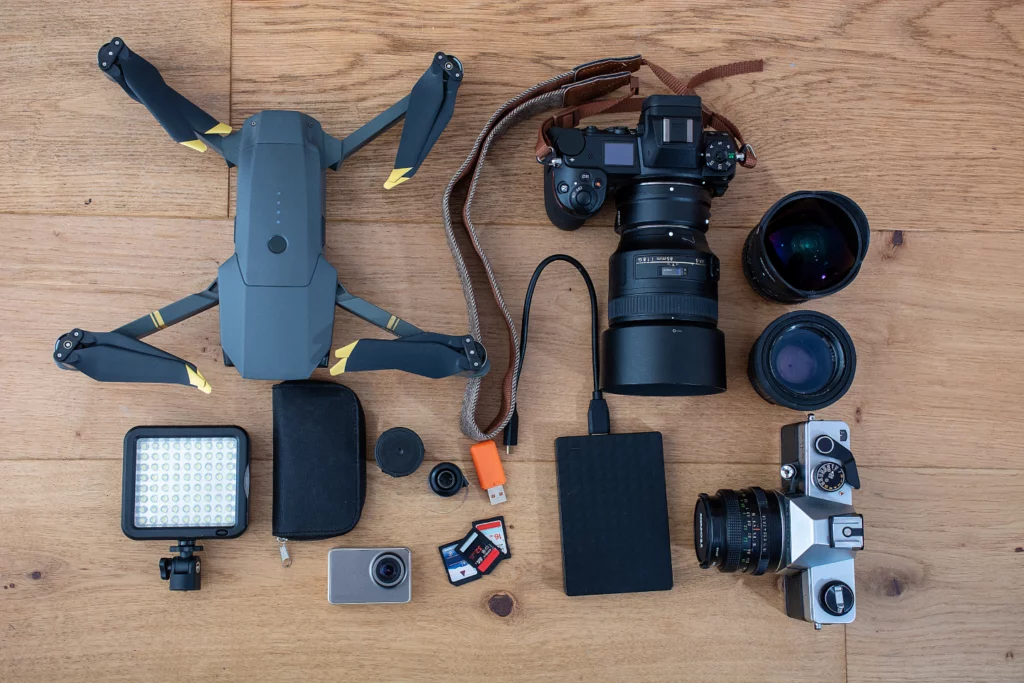
Drone equipment insurance is coverage for your drone, camera, and other equipment. It’s designed to help you pay for repairs or replacements if your gear is damaged or stolen.
You may also see this coverage referred to as inland marine, which is the technical term for this type of equipment insurance.
What Does Drone Equipment Insurance Cover?
Drone equipment insurance is designed for the transportable and movable gear you use to conduct your business. FFI’s drone equipment insurance applies to drones you own or rent that weigh 30 pounds or less.
Example scenarios that drone equipment insurance may cover:
- Damage to your drone camera and equipment on the job: The wind causes your drone to land awkwardly, breaking rotor blades and cracking the camera lens.
- Damage to your equipment by a third party: A model accidentally knocks your controller off a table and it no longer turns on.
- Damage to or loss of your gear as a result of an accident: A tree branch sways and hits your drone, causing it to crash and break.
- Loss from theft: There’s a break-in at your studio, and most of your gear is stolen.
Note: If your gear is left unattended, such as in an unlocked car or studio, and someone steals it, it is not covered.
FFI’s drone equipment insurance also applies to your other business gear, like laptops, cameras, gimbals, and light boxes.
What Does Drone Equipment Insurance Not Cover?
In order to be covered by drone and camera equipment insurance, your drone gear must be “scheduled” on your policy. That means you must list the specific drone equipment pieces you own or rent for work on the policy. If something isn’t listed and it gets damaged while filming, insurance won’t be able to cover it.
In addition to drone gear not listed on your policy, equipment insurance does not cover:
- Mysterious disappearances/theft from an unattended, unlocked area
- Equipment that is permanently installed in or on another structure
- Personal/hobby equipment not used for work purposes
- Harm or damage you or your equipment cause others
- Drone equipment you rent out to others
- Wear and tear and/or factory defects
- Intentional harm or damage
Please note that all policies have conditions, limitations, and exclusions. Remember to review your policy for exact details.
Drone Liability vs Drone Equipment Insurance: What’s the Difference?
Drone liability insurance is designed to cover harm done to others, while drone equipment insurance is designed for damage to the drone itself.
| Coverage Type | What It’s For | Example Scenario |
|---|---|---|
|
Drone Liability Insurance |
Physical injury to other people caused by your drone or your operation of a drone Damage done to other people’s property because of your drone or your operation of a drone |
While filming, you drop the controller and your camera drone falls, hitting an actor on its way down. The actor needs stitches. Drone Liability Insurance pays for the actor’s urgent care visit. |
|
Drone Equipment Insurance |
Physical damage to your drone and other work equipment |
While filming, you lose your GPS signal and your camera drone crashes. Drone Equipment Insurance helps pay to repair the broken rotors and camera gimbal. |
Picture this: You’re using your camera drone to get aerial shots of a house for a real estate client. A sudden gust of wind during the landing sends the drone sideways into a window. Now there’s a large crack in both your drone’s frame and the window of the house you were photographing.
Your drone liability insurance is the coverage that would help pay for the window’s repair. Your drone equipment coverage is what would help pay to fix your drone’s frame.
Drone liability and equipment insurance are separate but complimentary coverages.
What Kind of Drone Photography Insurance Do I Need for My Work?
If you use drone cameras for your work, you need at least drone liability insurance. If you want to protect yourself from paying out of pocket if your gear is damaged, you need drone equipment coverage.
While these coverages are not legally required to do aerial photography work, liability insurance is typically required by most venues, organizers, and other clients you may work with. If you rent your equipment, the rental agency will likely require you to have your own equipment insurance as well.
Drone Photography Insurance Requirements
Drone liability and drone equipment insurance are both available as add-ons (aka, endorsements) to FFI’s base photographer and videographer policies. They are not available as separate, stand-alone policies.
Drone Equipment Insurance
To get drone equipment insurance you must also have or get drone liability insurance. When adding this coverage to your policy you’ll be prompted to provide some basic information about your gear, including the make and model of your drone. You’ll need this information to complete the purchase.
Drone Liability Insurance
To qualify for FFI’s drone liability insurance, you must have the legal licenses to fly drones for commercial purposes. In the United States, that’s an FAA Part 107 Remote Pilot Certificate.
| Coverage Type | Requirements for Purchase |
|---|---|
|
Drone Liability Insurance |
An FAA Part 107 Remote Pilot Certificate FFI photographer/videographer liability insurance |
|
Drone Equipment Insurance |
Drone liability insurance (aka a photographer/videographer policy with drone liability insurance added) The make and model of each drone to be covered |
How Do I Get Drone Insurance for My Photography Business?
You can add drone liability and equipment coverage when you purchase your business liability insurance online. Just follow the prompts during checkout. Coverage can begin the same day, and the process takes as little as 10 minutes. Once you’re done, you’ll have instant access to your certificate of insurance (COI).
If you have an existing FFI policy, you can also add these coverages anytime right from your online user dashboard.
Common Questions About Drone Insurance for Photographers and Videographers
Is Annual or Event Coverage Better for My Workload?
FFI photographer and videographer annual policies start at $12/month or $129/year. Event policies cost $59/event. If you work more than two events a year, an annual policy is going to be more cost effective for your business.
Here’s a quick look at the numbers:
- One event policy = $59
- Two event policies = $118
- Three event policies = $177
- Annual policies: $129
It’s also crucial to note that event policies only include general liability coverage, and do not have the option to add equipment coverage. So, if protecting your gear is necessary or important, you would need an annual policy to be able to add camera equipment protection.
How Much Does Drone Insurance Cost?
Drone liability insurance is available as an add-on to your general liability policy for $42.92/month.
Drone camera equipment insurance starts at $25.83/month or $310/year. There are four tiers of coverage to choose from:
- Tier 1: $2,000 per item / $20,000 total: +$25.83/month
- Tier 2: $5,000 per item / $30,000 total: +$32.08/month
- Tier 3: $10,000 per item / $60,000 total: +$63.33/month
- Tier 4: $50,000 per item / $75,000 total: +$82.50/month
For example, if you were to get a commercial photographer policy with drone insurance, it would cost:
- Photography liability insurance: $12/month
- Drone liability insurance: $42.92/month
- Tier 2 drone equipment insurance: $32.08/month
- Total: $87/month
Does Drone Equipment Insurance Cover Cameras, Gimbals, Batteries, and Controllers?
Yes, drone equipment insurance covers the drone’s accessories, as well as your cameras, gimbals, and other mobile business gear.
However, standard camera equipment insurance does not extend to drones and items attached to your drones.