Do wedding videographers need insurance? Yes. Wedding videographers need liability insurance to protect themselves from financial hardship due to client injuries, accidents, claims, and lawsuits. Learn the specifics about what kinds of liability insurance you really need, why it’s necessary, and more.
Why Wedding Videographers Need Insurance
Wedding videographers need liability insurance for two primary reasons:
- Most wedding venues require you to have it
- Without it, if an accident happens (someone gets hurt, you break something), you’d have to cover the costs on your own
So, even though videographer insurance isn’t a legal requirement, it is a practical one.
Videographers should get insurance to cover their livelihood. Whether you damage property on-site while taking photos for a wedding or a power surge damages your computer, preventing you from delivering your promised photos to the paying customer, having insurance that covers you and your business is important.
– Kyle Jude, underwriting and insurance expert at Full Frame Insurance
Risks Wedding Videographers Face & Why Insurance Matters: Quick Overview
| Scenario | Why It Matters |
|---|---|
|
You arrive at a new venue on the wedding day without liability insurance |
The venue could deny you entry to the property. If you miss the event, the couple could sue, or you could miss out on future opportunities due to a bad mark on your reputation. |
|
You bump into a groomsman while filming the reception. He falls and needs stitches. |
Injury claims can get expensive quickly, and general liability coverage is designed to help cover them. |
|
You knock over a large vase owned by the venue, and it shatters. |
Repairs and replacements for a venue’s property add up and eat into your profit margins (and you may not be allowed back). General liability coverage can help repair or replace client property if you damage it. |
|
You share images of a couple online, and they sue, claiming you did so without their consent. |
Lawsuits are expensive and could hurt your reputation. Liability insurance is built to help pay for legal fees and court costs. |
|
A client sues over a lost or corrupted footage dispute. |
Deliverables are the whole job, and lawsuits are expensive. Liability insurance is designed to help you pay the costs of defending yourself in court. |
What Do Wedding Venues Typically Require?
Wedding venues typically require three things from videographers working on their property:
- A copy of your Certificate of Insurance (COI)
- To be listed as an additional insured on your insurance policy
- General liability coverage with at least $1 million per-occurrence and $2 million aggregate limits
Certificate of Insurance (COI)
A Certificate of Insurance (COI) outlines a policy’s key information, like coverage types, limits, and the policy’s effective dates. It acts as an official proof of insurance document.
Wedding venues and planners ask for a copy of your COI to confirm you have active liability coverage. It may also be referred to as an ACORD, or an ACORD COI.
Additional Insured
Additional insureds are other entities with a direct, professional connection to your business, and could be named in a lawsuit due to your services or actions. These entities include other people or businesses, like:
- Wedding planners
- Landlords who own the studio you rent
- Property owners or businesses that own the wedding venue
Venues request additional insured status on your policy so they can receive the same protections as you if they ever get sued alongside you. This is common practice in the wedding industry, as well as other industries that involve independent contractors.
Coverage Types and Liability Limits
Most venues require all vendors to have general liability insurance, at a minimum. General liability is designed for third-party bodily injury and property damage claims (aka harm or damage you cause to others). This includes things like guest injuries and damage to the venue’s property.
Venues may also specify a minimum amount of coverage you must have. This is known as your coverage limits. Coverage limits are the maximum amount your insurance will pay for claims that are covered under your policy.
There are two primary types of limits: per-occurrence limits and aggregate limits.
- Per-occurrence limits: The most your policy will pay for one individual claim
- Aggregate limit: The most your policy will pay for all total claims during the policy period
| Limit Type | What It Means | Example |
|---|---|---|
|
Per-occurrence limit |
The most your policy can pay for one individual claim |
Your general liability per-occurrence limit is $1 million, so your policy can pay no more than $1 million for each covered incident |
|
Aggregate limit |
The most your policy pays for all claims total during one policy period |
Your general liability aggregate limit is $2 million, so your policy can pay no more than $2 million that policy year, regardless of how many separate claims there are |
These limits are usually written in a “$X/$Y” format, with X as the occurrence limit and Y as the aggregate limit. For example, a policy with a $1 million occurrence limit and a $2 million total limit could be written as:
- $1M/$2M
- $1 million/$2 million
- $1,000,000/$2,000,000
Pro tip: COIs typically show your coverage limits and the additional insureds you have on your policy. So, when venues ask for proof you’ve met their insurance requirements, a copy of your COI is often all you need. In some cases, like when you have multiple additional insureds, you may need to contact customer service to have the correct entity printed on your COI.
Venue Requirements: Quick Overview
Swipe →
| Requirement | What Venues Mean | What You Need to Do |
|---|---|---|
|
Certificate of Insurance (COI) |
Proof that your insurance is active and meets venue requirements |
Send a copy of your COI to the venue, showing coverage limits and Additional Insured status, if requested |
|
Additional Insured |
The venue is added to your policy for protection in case they’re named in a claim or lawsuit related to your work |
Add the venue as an Additional Insured on your policy via your online dashboard or customer service |
|
General Liability Insurance/Coverage Limits |
Coverage for bodily injuries or property damage you cause during the event, the setup beforehand, or teardown after |
Obtain a liability insurance policy with at least general liability coverage (common minimum coverage needed: $1 million/$2 million) |
What Insurance Do Wedding Videographers Need?
Wedding videographers typically need general liability insurance. Depending on your business and venue requirements, you may also need other types of coverage.
Pro tip: Sometimes wedding venues give out the same standardized list of insurance coverages to all vendors. These lists are not always one-size-fits-all, since each vendor provides a different service. If you receive a list that includes things you don’t believe apply to you (like commercial auto insurance or workers comp), contact the venue to confirm.
General liability coverage is included in most wedding videography insurance policies. Additional coverages you may need, but aren’t always included in base policies, include:
- Failure to Deliver Coverage (Professional Liability Insurance): Designed to pay for claims and lawsuits related to errors, omissions, mistakes, or negligence in your services
- Camera Equipment Coverage (Inland Marine): Can help pay for repairs or replacements of your mobile photography equipment in case of damage or theft
- Data Theft Protection (Cyber Liability): Built to help cover the consequences of data breaches and other cybercrimes
Pro tip: Additional Insureds are typically categorized as an add-on option to your policy. Adding additional insureds to your policy usually comes with a small fee. With FFI, you can add one additional insured for $15/year or unlimited additional insureds for $30/year.
Insurance Coverages Wedding Videographers Need: Quick Overview
| Level of Necessity | Coverage Type(s) |
|---|---|
|
Need to Have |
|
|
Should-Have |
|
|
Situational |
Event Policy vs Annual Policy: Which Is Right for Wedding Videographers?
FFI offers both annual and single-event policies for wedding videographers. Which policy is better for you depends on how often you work and whether you need coverage beyond general liability.
If you typically work three or more weddings a year (or want protection for your equipment), an annual policy is typically better (and more cost-effective). They cover 365 days and include essential general liability coverages, plus the ability to include optional add-on coverages, like camera and equipment coverage.
If you only film one or two weddings a year, you may only need the occasional event policy. Single-event policies cover up to three consecutive days and include general liability coverage. However, you cannot add camera equipment, professional liability, or cyber liability coverage to event policies.
Event vs Annual Policies: Quick Overview
Swipe →
| Policy Type | Starting Cost | Coverage Period | Coverages Included | Add-On Options |
|---|---|---|---|---|
|
Event |
$59 |
1-3 days |
|
|
|
Annual |
$12/month |
365 days |
|
|
How to Get Venue-Ready Fast With the Right Coverage
Reduce your risk of logistical speed bumps by being proactive. Don’t leave your wedding videographer liability insurance for the last minute. But, in case of emergencies, don’t worry! Full Frame Insurance offers same-day coverage.
Get ready for your clients’ wedding day before the big day:
- Contact the venue in advance to confirm their insurance requirements for videography vendors
- Choose coverage that matches their requirements
- Add the venue as an Additional Insured, if needed
- Download your COI
- Send your COI to the venue and confirm approval
Get covered through Full Frame Insurance today, and be ready to film tomorrow.
Frequently Asked Questions About Wedding Videography Insurance
Do Wedding Videographers Need Insurance by Law?
No. There are no legal requirements for wedding videographers to carry insurance. However, most wedding venues require it.
Does Wedding Videographer Insurance Cover My Gear?
A basic wedding videography policy does not include coverage for your gear. To get insurance for your equipment, you must add Camera Equipment Coverage to your policy.
Does Wedding Videographer Insurance Cover Drones?
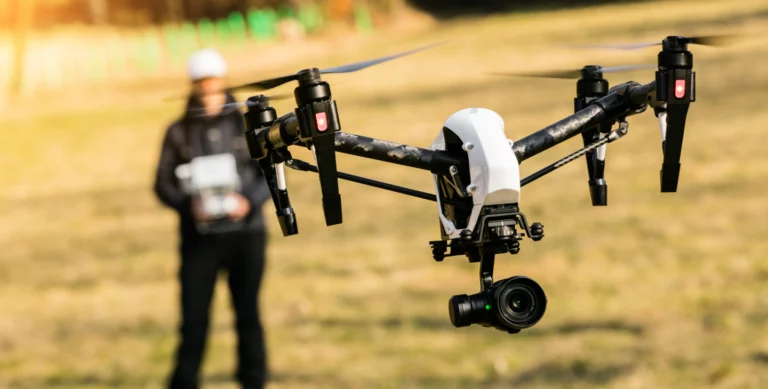
Standard videographer policies do not cover camera drones or work you do with drones. However, FFI offers both drone liability insurance and drone equipment insurance as optional add-on coverages.
How Much Does Wedding Videography Insurance Cost?
Annual wedding videographer insurance policies start at just $12/month or $129/year. Single event policies start at $59 for up to three consecutive days of coverage.